In this article, we’ll explore what made this era so remarkable, the key developments that propelled steam trains forward, and the eventual factors that led to their decline.
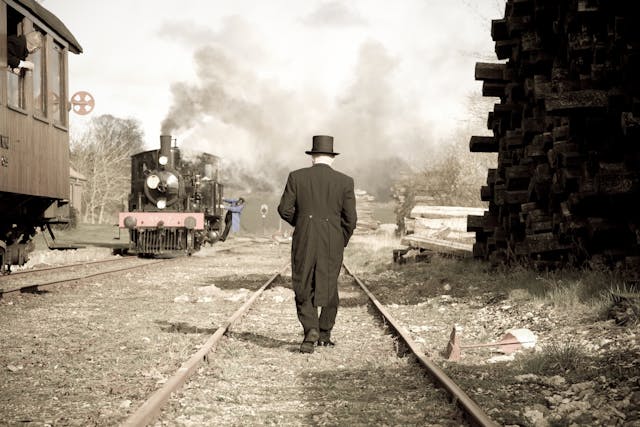
Early Beginnings of the Steam Train
The steam locomotive was a groundbreaking invention that changed transportation forever. Before the age of steam, goods and people traveled by horse-drawn carriages, boats, or by foot, which limited both speed and distance.
The First Steam Trains
- Richard Trevithick’s Invention: The first practical steam-powered locomotive, built by British engineer Richard Trevithick in 1804, marked the dawn of railway innovation.
- George Stephenson’s ‘Locomotion No. 1’: Built in 1825, this locomotive powered the first public railway, ushering in the beginning of commercial steam train travel.
Tip: Look into train museums, many of which showcase early models and provide insights into the technical evolution of steam trains.
The Golden Age Takes Off
The Golden Age of Steam truly began in the mid-1800s, with advancements in technology and a demand for reliable, long-distance transportation.
Expansion Across Continents
- The United States: Railways like the Union Pacific and Central Pacific transformed the U.S. landscape, connecting coasts and making national travel possible.
- Europe: The expansion of rail networks across Europe fostered economic growth and closer ties between countries.
- Asia and Beyond: Countries like India, China, and Japan also embraced rail, integrating steam trains into their transportation infrastructures.
Technological Innovations
Several key developments fueled the Golden Age of steam trains:
- Boiler Improvements: Advancements in boiler technology enabled higher speeds and longer journeys.
- Standardization of Tracks: In the U.S. and parts of Europe, the creation of standard gauge tracks allowed trains to travel further without stopping for track adjustments.
- Comfort and Class: Luxurious train lines like the Orient Express introduced sleeper cars, dining cars, and other amenities, making long-distance travel comfortable and stylish.
Tip: The next time you ride a historic train or take a railway museum tour, ask about the innovations that defined the Golden Age.
The Cultural Impact of Steam Trains
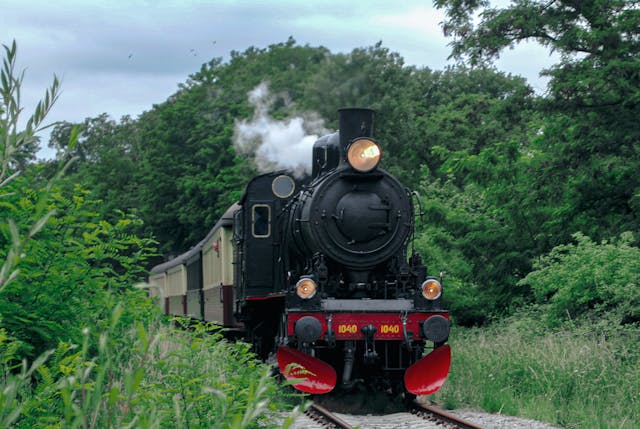
Steam trains left an indelible mark on culture, becoming a central theme in literature, film, and daily life. From transporting settlers across continents to delivering daily mail, steam trains symbolized progress and adventure.
Trains in Literature and Film
- Iconic Appearances: Novels like Agatha Christie’s Murder on the Orient Express and films such as The Great Train Robbery showcased the allure and mystery of steam train travel.
- Photography and Art: The image of a steam locomotive cutting through the countryside became iconic, often romanticized in art and photography.
Tip: If you’re photographing steam trains, focus on capturing the nostalgia and timelessness they convey.
The Decline of Steam Trains
While steam trains ruled the rails for over a century, they faced competition as technology evolved. By the mid-20th century, diesel and electric trains began to replace steam engines.
Reasons for the Decline
- Diesel and Electric Alternatives: Diesel engines were more fuel-efficient and easier to maintain than steam, while electric trains provided faster and cleaner alternatives.
- Rising Costs: Operating and maintaining steam engines became increasingly expensive, especially with advancements in more economical rail technology.
- Environmental Concerns: While not as pressing at the time, the environmental impact of burning coal became a growing concern as cleaner options emerged.
Tip: For a closer look at the transition away from steam, check out railway museums that showcase early diesel and electric locomotives alongside their steam predecessors.
Preservation and Legacy of Steam Trains
Today, steam trains are mostly preserved for tourist experiences and heritage railways. Rail enthusiasts and historians work to keep the legacy of the steam age alive through dedicated museums, festivals, and excursions.
Heritage Railways and Museums
- Popular Heritage Lines: Railways like the Bluebell Railway in the U.K. and the Durango & Silverton Narrow Gauge Railroad in the U.S. provide a glimpse into the past with fully restored steam engines.
- Train Museums: Many train museums house extensive collections of steam engines, offering interactive exhibits and guided tours that educate the public about the history of steam travel.
Cultural Events and Festivals
- Annual Events: Events such as the National Railway Museum’s “Steam Gala” in the U.K. bring together steam train enthusiasts from around the world.
- Community Involvement: Local communities often host train-related events, from steam train parades to guided tours, preserving steam history for future generations.
Tip: Visiting heritage railways and museums is a great way to experience the past, and some offer hands-on experiences where you can learn about driving or maintaining a steam locomotive.
The Golden Age of Steam Trains was an era defined by rapid technological growth, cultural fascination, and transformative travel. While steam trains have mostly been replaced by modern rail technology, their legacy endures. Through heritage railways and preservation efforts, steam trains continue to capture our imagination and offer a window into a storied past. So next time you see a steam locomotive, remember that it represents more than just a piece of machinery—it’s a symbol of human progress and the adventure of the open rail.
Thank you for visiting our website. We hope you are finding good information here. If you have any comments or questions please contact us today. We also ask that you visit our sponsor, Mesa Parking Lot Striping for all of your parking lot striping needs.